Expert Care for Eye and Retinal Conditions

Led by an experienced consultant, each treatment combines specialist expertise and our dedication to deliver the best possible outcome for your vision

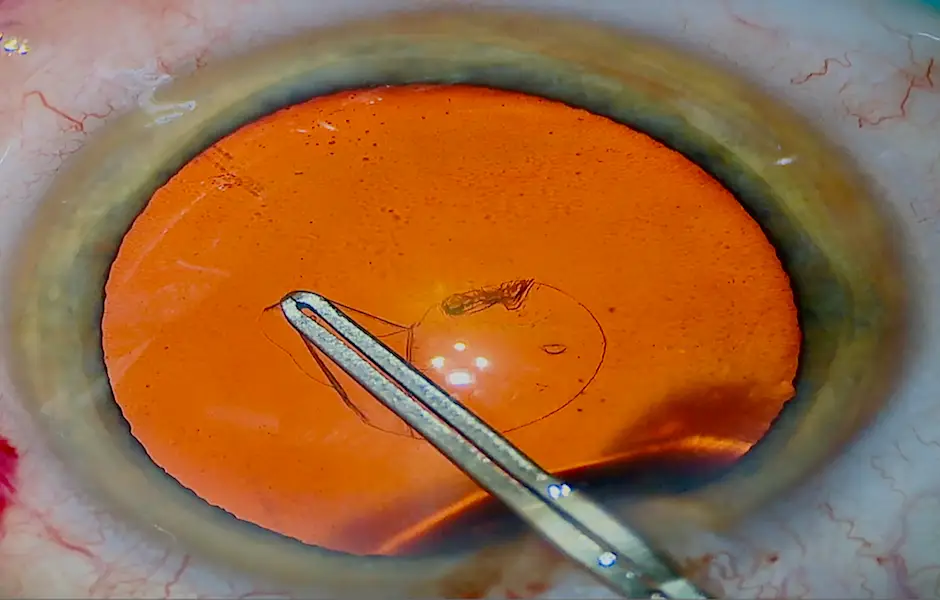
Cataracts occur when the natural lens of the eye looses its clarity, causing blurred or hazy vision, glare or difficulty seeing in dim light. Fortunately, cataract surgery is one of the most refined and successful procedures in modern medicine, where the cloudy lens is removed and replaced by an artificial one to restore vision. 

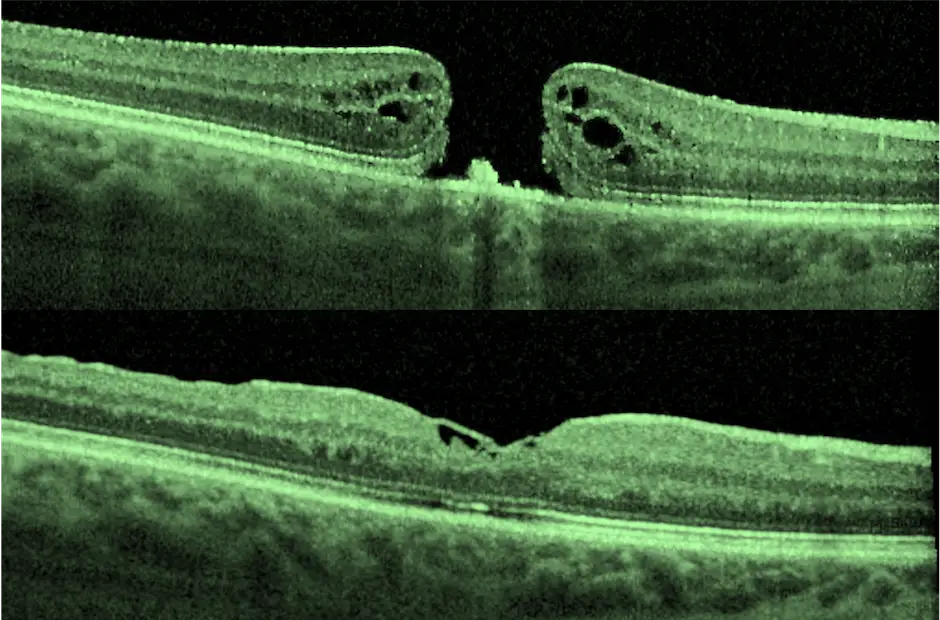
Macular hole occurs when a tiny opening develops in the central part of the retina, the area responsible for sharp, detailed vision. It can cause significant distortion and blurriness of your vision. The good news is that effective treatment is possible, often leading to significant visual improvement.

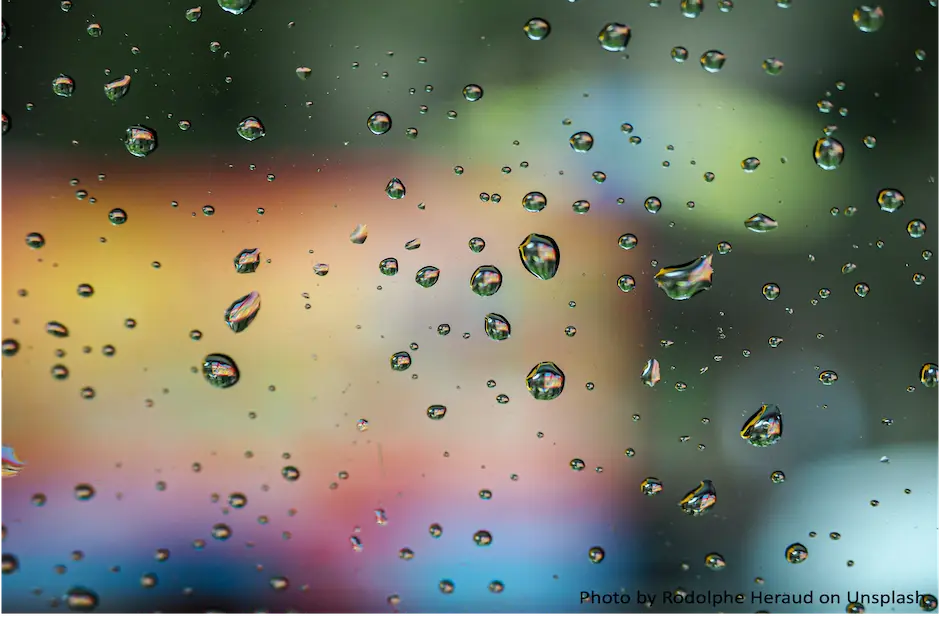
Floaters are small moving specks or strands in your vision, often caused by natural changes in the gel inside the eye. While most floaters are harmless, they can become distracting or interfere with daily tasks, especially when dense or persistent. Thankfully, modern treatment options can remove or significantly reduce floaters, often restoring clarity that people thought was lost.

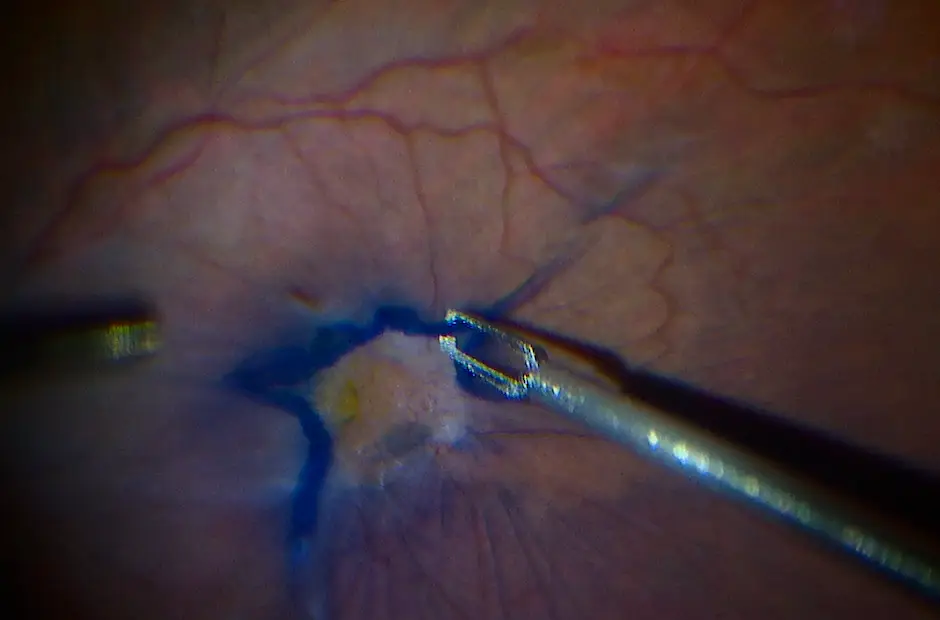
An Epiretinal Membrane is a thin layer of scar tissue that develops on the surface of the retina. It can cause blurred or distorted vision, difficulty reading or problems with fine detail. Fortunately, membrane peel surgery is feasible and highly effective in reducing distortion, leading to steady visual improvement with time.

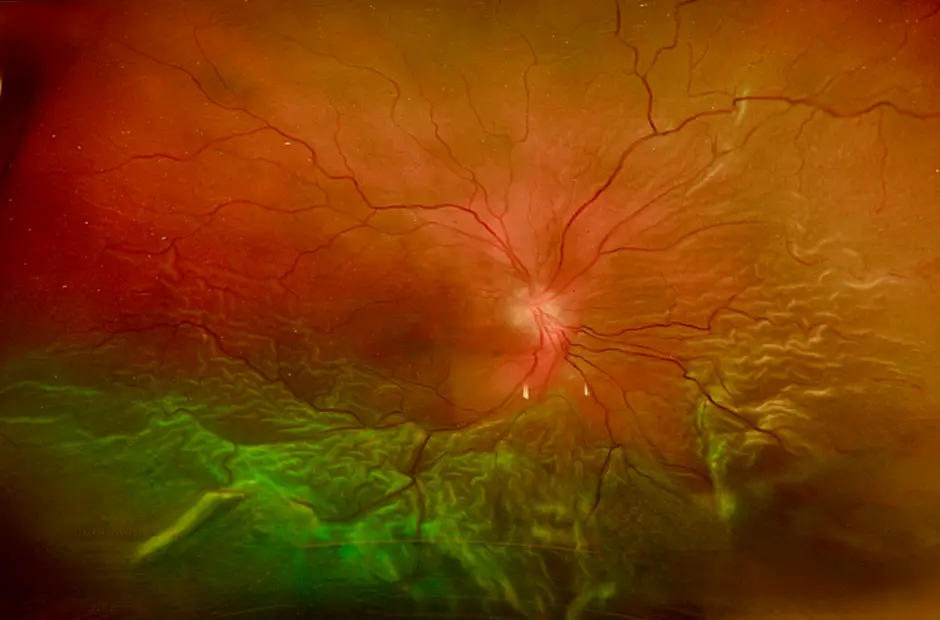
A Retinal Detachment occurs when the retina lifts away from its normal position, usually as a result of a tear or other break. It normally cause flashes, floaters, a shadow across the vision or significant central visual loss. It is a sight-threatening condition, but with prompt assessment and precise retinal surgery, the retina can be repaired successfully. Early treatment gives the best chance of protecting and restoring vision.  

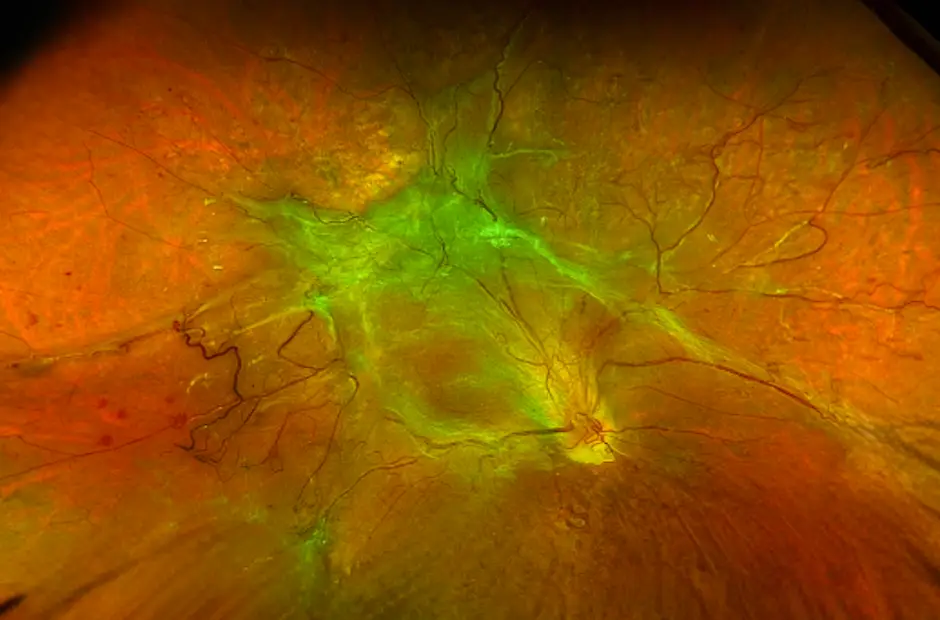
Diabetic Retinopathy is a condition where long-term diabetes affects the blood vessels of the retina, potentially leading to bleeding, scarring, or in more advanced stages to tractional detachment of the retina and glaucoma. Although the condition can be serious, modern treatments, including injections, lasers and highly specialised diabetic vitrectomy, can stabilise the disease and preserve vision. Early assessment and timely intervention can make an enormous difference, and expert care is paramount to guide you safely though every stage of treatment. 

Not all retinal conditions follow a straightforward course. Some relatively common disorders can become complex, particularly when associated with scarring, bleeding, or structural changes within the eye. Managing these situations requires a higher level of assessment, precision and an understanding of when advanced retinal intervention may become necessary to preserve vision and maintain long-term eye health. 

Addressing these challenges efficiently relies on experience and expertise across the full spectrum of retinal disease.

 If you are experiencing visual symptoms or would like a specialist opinion, we are here to help you.

Clear communication. Specialist expertise. Care delivered with reassurance and confidence.